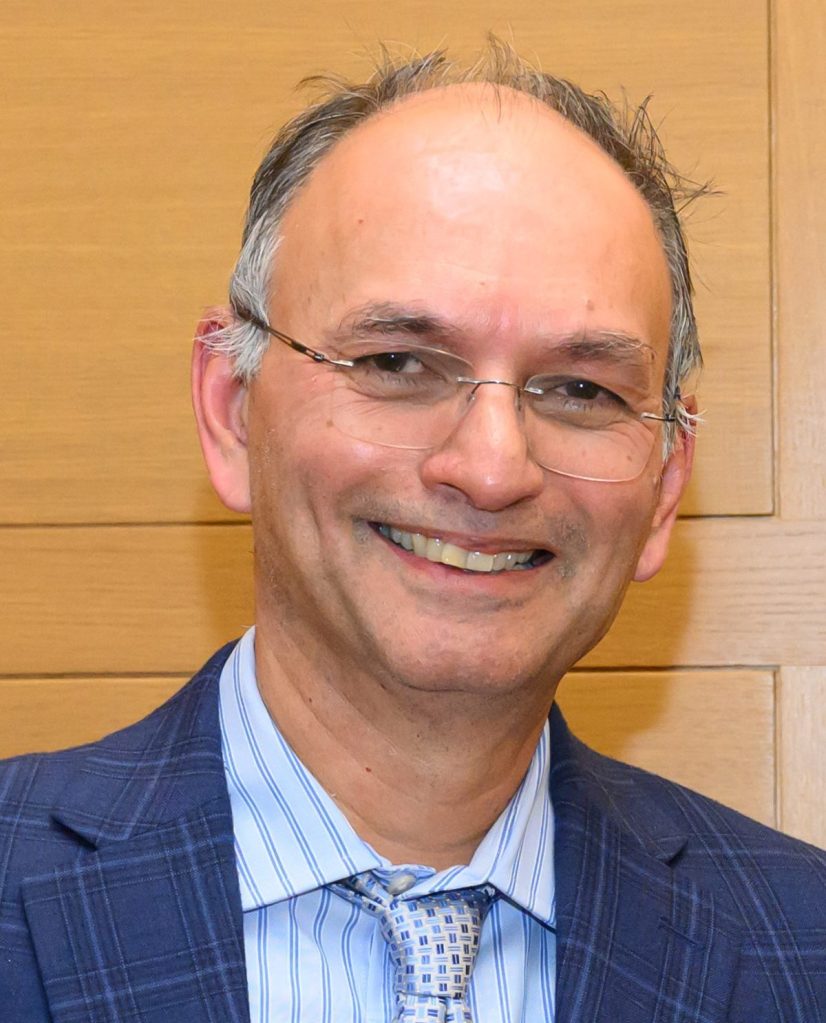
Prof. Dr. Nitash P. Balsara, UC Berkeley, USA
bio
Nitash P. Balsara is a chemical engineer with a bachelor’s degree from the Indian Institute of Technology in Kanpur, India, a master’s degree from Clarkson University, and a PhD from Rensselaer Polytechnic Institute. This was followed by two post-doctoral appointments at the University of Minnesota and the Exxon Research and Engineering Company. In 1992, he joined the faculty of Department of Chemical Engineering at Polytechnic University in Brooklyn, New York. In 2000 he moved to Berkeley to join the faculty at the Department of Chemical Engineering at the University of California and to join Lawrence Berkeley National Laboratory as a faculty scientist. He has managed to hang on to both jobs. In addition, he cofounded two battery start-ups with his students and collaborators, Seeo and Blue Current.

Prof. Dr. Michael Buchmeiser, University of Stuttgart
bio
Michael R. Buchmeiser received his Doctoral Degree in Organometallic Chemistry in 1993 from the University of Innsbruck, Austria (Prof. Dr. H. Schottenberger). He was awarded an “Erwin Schrödinger Fellowship” and spent one year at the MIT, USA, within the group of Prof. Richard R. Schrock (Chemistry Nobel Prize 2005). In 1998, he finished his “Habilitation” in Macromolecular Chemistry at the University of Innsbruck were he then held a Faculty Position as Associate Professor from 1998-2004. From 2000-2001, he was Visiting Professor at the Graz University of Technology, Austria. In 2004 he accepted a Faculty Position (C-4 Professor) at the University of Leipzig, Germany. In addition, from 2005-2009, he served as Vice Director and Member of Board at the Leibniz Institute of Surface Modification (IOM), Leipzig, Germany. He was offered Faculty Positions (Full Professor of Polymer Chemistry) from the University of Halle (Germany, 2004), the University of Leoben (Austria, 2005), the TU Dresden (Germany, 2007), and the Saarland University, Germany, in combination with the position of the Scientific Director of the Leibniz-Institute of New Materials (INM, 2012), which he all declined. In 2009, he accepted a Faculty Position (Full Professor) at the University of Stuttgart (Germany) and as Member of the Executive Board of the German Institutes of Textile and Fiber Research (DITF) Denkendorf. Since 2018, he is also spokesperson of the Collaborative Research Center CRC 1333 “Molecular Heterogeneous Catalysis in Confined Geometries”. His research interests include polymer synthesis, particularly polymerization catalysis, polymer materials science, particularly the synthesis of functional polymeric materials, e.g., for molecular heterogeneous catalysis and for batteries, fiber-matrix composites and high-performance fibers, in particular cellulose, carbon and ceramic fibers. So far, he has published more than 550 scientific papers and has filed more than 65 patents. For his scientific work, he received the “Professor Ernst Brandl Research Award 1998”, the “START Award-2001” the “Novartis Award 2001”, the “Otto-Roelen Medal of the German Catalytic Society” (2010) and the Hermann F. Mark Medal (2022).
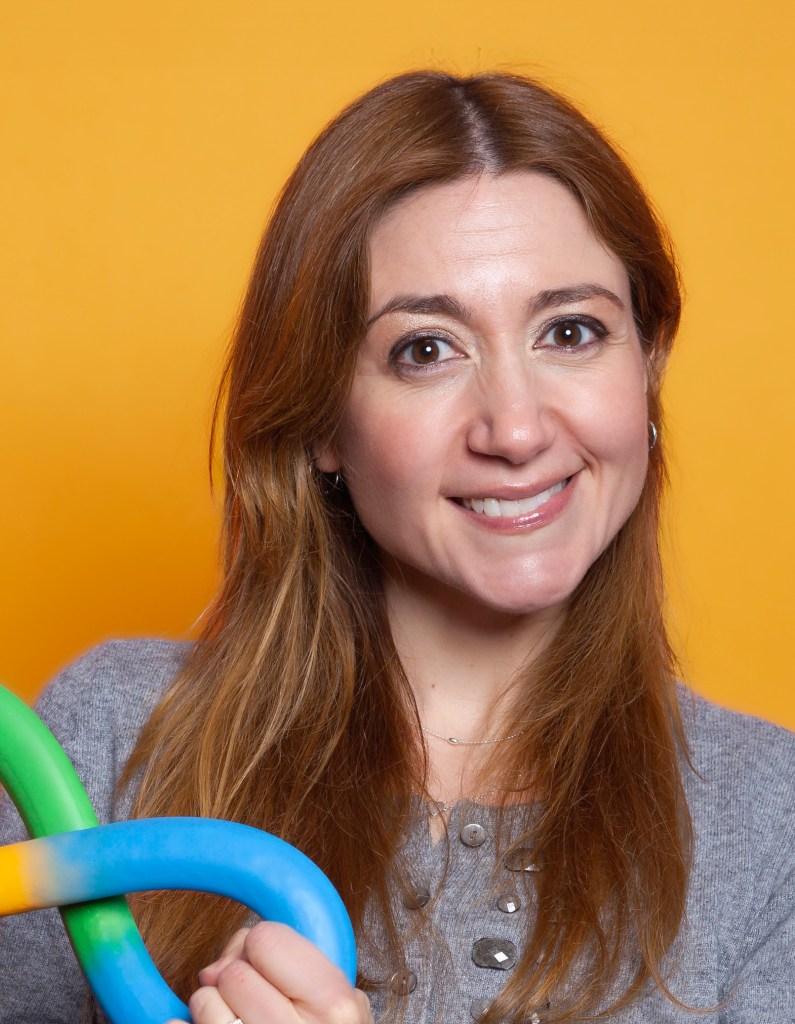
Dr. Anna Maria Cristadoro, BASF
bio
Anna Maria Cristadoro is a polymer chemist. She earned a bachelor’s degree from the University of Catania, Italy, and a master’s degree from both the University of Catania and the Institute for Chemistry & Technology of Polymeric Materials at Italy’s National Research Council in Catania, Italy. There, she worked with Prof. Dr. Giorgio Montaudo on biodegradablepolyesters and polyester-amides. In 2005, she moved to Germany to pursue her PhD at the Max Planck Institute for Polymer Research in Mainz under the supervision of Prof. Dr. Klaus Müllen. She joined BASF in Ludwigshafen, Germany in 2008 and has since held various positions at BASF sites in Germany and the United States, with a strong focus on R&D. Today, she works at BASF Polyurethanes GmbH in Lemförde, Germany. As a Senior Principal Scientist, she collaborates with several universities and focuses primarily on the sustainability and recyclability of polyurethane materials.
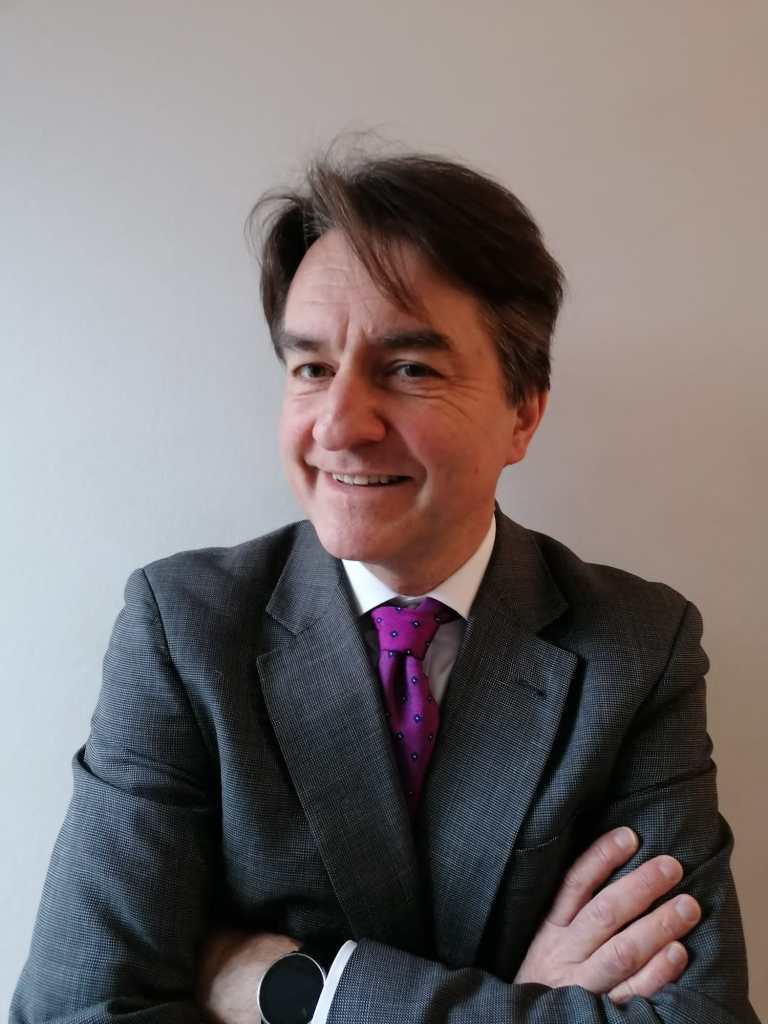
Prof. Dr. Holger Frey, Johannes Gutenberg University Mainz

Prof. Dr. Stefan Mecking, University of Konstanz
Prof. Dr. Paolo Samorì, University of Strasbourg & CNRS
bio
Prof. Paolo Samorì is a Distinguished Professor at the Université de Strasbourg, where he serves as Director of the Institut de Science et d’Ingénierie Supramoléculaires (ISIS) and Director of the Nanochemistry Laboratory.
He is a Fellow of the Royal Society of Chemistry (FRSC), a Fellow of the European Academy of Sciences (EURASC), a Member of the Academia Europaea, a Foreign Member of the Royal Flemish Academy of Belgium for Science and the Arts (KVAB), a Fellow of the University of Strasbourg Institute for Advanced Study (USIAS), a Senior Member of the Institut Universitaire de France (IUF), a Member of the National Academy of Technologies of France, and a Member of the German National Academy of Science and Engineering (acatech).
Prof. Samorì earned his Laurea (Master’s degree) in Industrial Chemistry from the University of Bologna (Italy) in 1995, and his PhD in Chemistry from the Humboldt University of Berlin (Germany) with Prof. J. P. Rabe in 2000. He subsequently worked as a Permanent Research Scientist at the Istituto per la Sintesi Organica e la Fotoreattività of the Consiglio Nazionale delle Ricerche (CNR) in Bologna from 2001 to 2008, while also serving as Visiting Professor at ISIS from 2003 to 2008.
He has authored over 550 publications in the fields of nanochemistry, supramolecular science, materials chemistry, and scanning probe microscopiy. His research focuses on graphene and other 2D materials, as well as functional organic, polymeric, and hybrid nanomaterials for applications in optoelectronics, energy, and sensing.
Prof. Samorì’s contributions have been recognised with numerous prestigious prizes, including the E-MRS Graduate Student Award (1998), theMRS Graduate Student Award (2000), the IUPAC Prize for Young Chemists (2001), the Vincenzo Caglioti Award (2006), the Nicolò Copernico Award (2009), the Guy Ourisson Prize (2010), the ERC Starting Grant (2010), the CNRS Silver Medal (2012), the Catalán–Sabatier Prize (2017), the Grignard–Wittig Lectureship (2017), the ERC Proof of Concept Grant (2017, 2020), the RSC Surfaces and Interfaces Award (2018), the Blaise Pascal Medal in Materials Science (2018), the Pierre Süe Prize (2018), the ERC Advanced Grant (2019), the “Étoiles de l’Europe” Prize (2019), the RSC/SCF Joint Lectureship in Chemical Sciences (2020), the André Collet Prize (2022), the IUMRS-ICEM Mid-career Researcher Award (2024), the Luigi Tartufari Prize (2024), the Amedeo Avogadro Medal (2025), and the Francqui Chair in Exact Sciences (2026).
He serves as Associate Editor of ACS Nano and sits on the Advisory Boards of numerous leading journals, including ACS Omega, Advanced Materials, Advanced Sensor Research, BMC Materials, Chemical Communications, Chemical Society Reviews, Chemistry Europe, ChemNanoMat, ChemPhysChem, ChemPlusChem, Journal of Materials Chemistry C, Materials Advances, MGE Advances, Nanoscale Horizons, Responsive Materials, RSC Applied Interfaces, Small, and SmartMat.
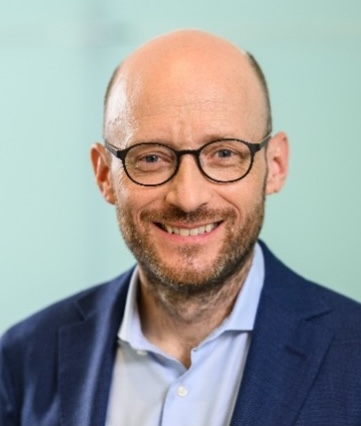
Dr. Peter Sandkuehler, DOW
bio
Peter Sandkuehler is Global Business Sustainability Director in Dow’s Packaging and Specialty Plastics business (P&SP).
Peter is responsible for Low Carbon solutions and other business service models to create value along market verticals by building scalable business models and advancing commercial opportunities. He leads advancing next-generation platforms with external partners. He serves as the Dow representative in associations like Plastics Europe.
Prior to his current role, Peter was a Technology/R&D Fellow in the European R&D organization working with customers globally on innovation products, design for recycling, packaging application development and circular packaging solutions.Peter brings 22 years of working experience in the chemical industry and holds a PhD in Chemical Engineering from the Swiss Federal Institute of Technology in Zurich, Switzerland (2004) and a Master in Chemical Engineering from the Technical University of Clausthal.
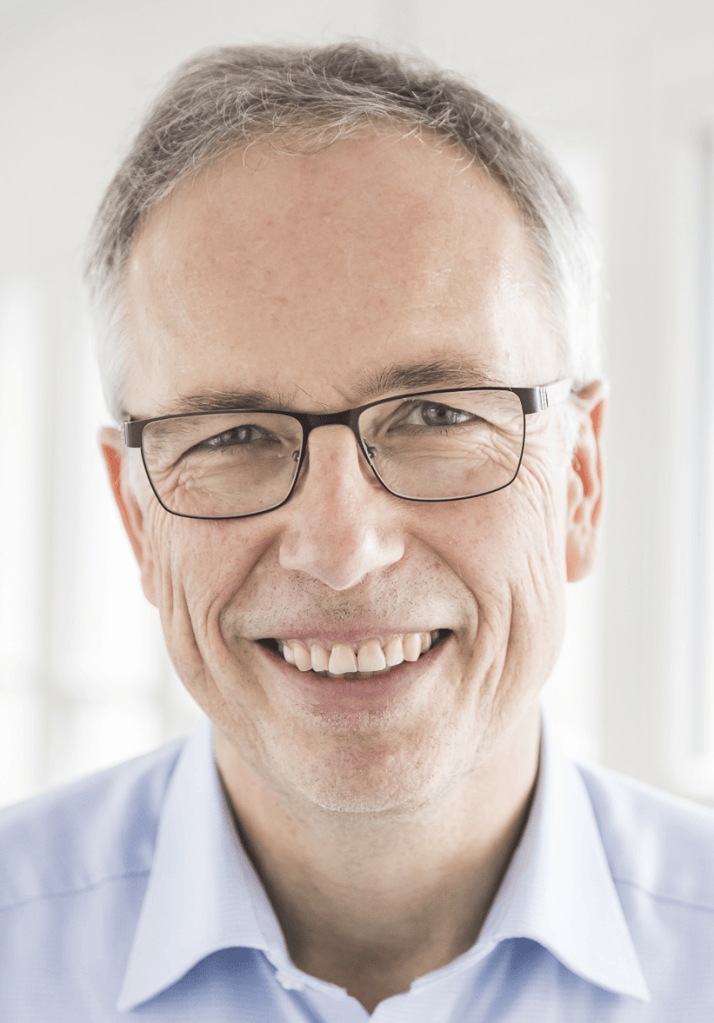
Prof. Dr. Thomas Thurn-Albrecht, Martin Luther University Halle-Wittenberg
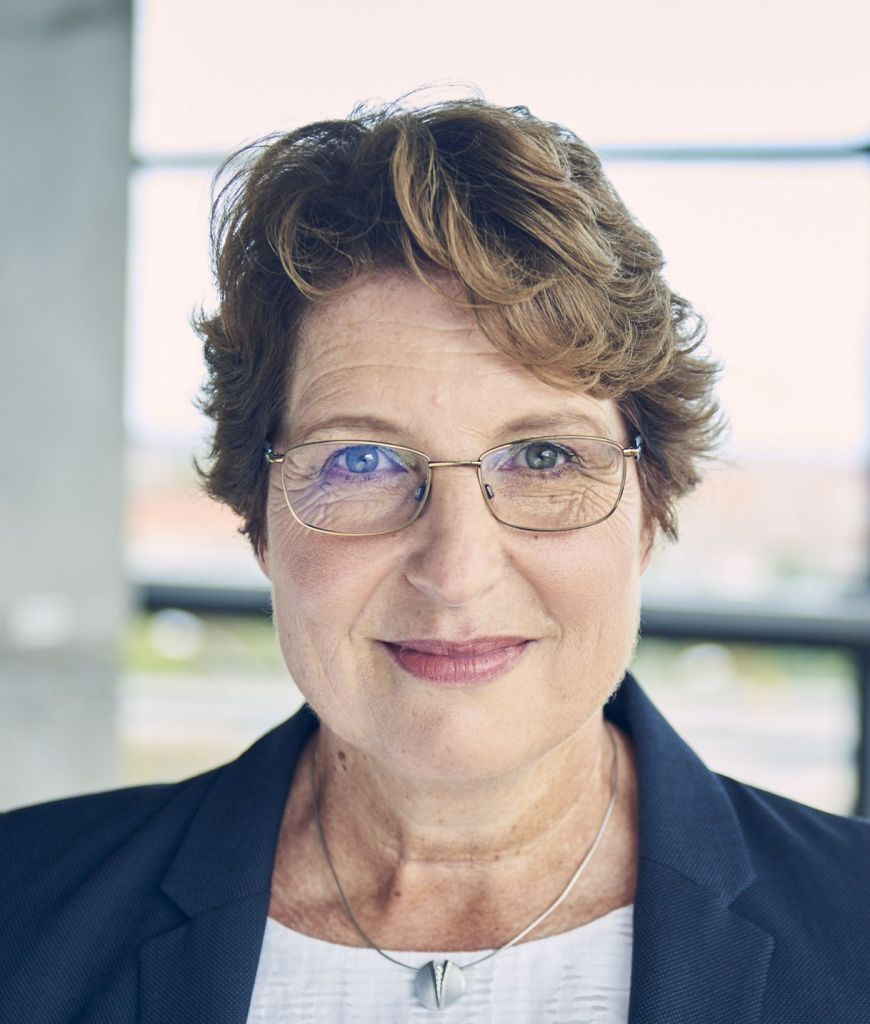
Prof. Dr. Brigitte Voit, Leibniz Institute of Polymer Research Dresden
bio
Brigitte Voit received her PhD in Macromolecular Chemistry 1990 from University Bayreuth, Germany. After postdoctoral work in 1991/1992 at Eastman Kodak in Rochester, USA, she joined Technische Universität München. After habilitation in 1996, she was appointed 1997 full professor for the chair “Organic Chemistry of Polymers“ at Technische Universität Dresden as well as Director of the Division Macromolecular Chemistry at the Leibniz Institute of Polymer Research (IPF) Dresden. From 2002 to 2022 she was also Scientific Director of IPF. At TU Dresden she is member of the Center for Advancing Electronics Dresden (cfaed) and Dresden International Graduate School for Interdisciplinary Life Sciences (DIGS-ILS). She is active in the European Polymer Federation (president 2014/2015), member of acatech (National Academy of Science and Engineering), and holder of the Staudinger Award (from German Chemical Society).
Her scientific interest is in sustainable and functional polymer architectures for engineering application as well as for use in biomedicine, smart systems and organic electronics.

